


Why anxiety and depression is so common among seniors — and 5 ways to prevent it
Anxiety and depression are common among seniors but they're not a natural part of aging. Learn 5 ways to help prevent these conditions.

Who do you picture when you think about the conditions anxiety and depression? Often we imagine younger people — perhaps teens or young adults. In reality, however, anxiety and depression are just as common among seniors.
Older adults are particularly at risk for anxiety and depression due to a mix of life changes, health challenges, and social factors — but that does not mean that they're a natural part of aging.
5 Factors That Contribute to Anxiety & Depression
- Loss of independence — Reduced mobility or chronic illness can limit activities, leading to frustration and feelings of helplessness.
- Health concerns — Physical pain, memory loss, or serious medical diagnoses can trigger anxiety and a sense of hopelessness.
- Social isolation — Loneliness and feelings of isolation strongly correlate with depression.
- Life transitions — Retirement, downsizing, or being forced to move can create a sense of loss and uncertainty. Learn how to ease these transitions.
- Stigma — Many older adults hesitate to seek help because they grew up in a time when mental health was stigmatized.
5 Ways to Help Prevent Anxiety & Depression in Seniors
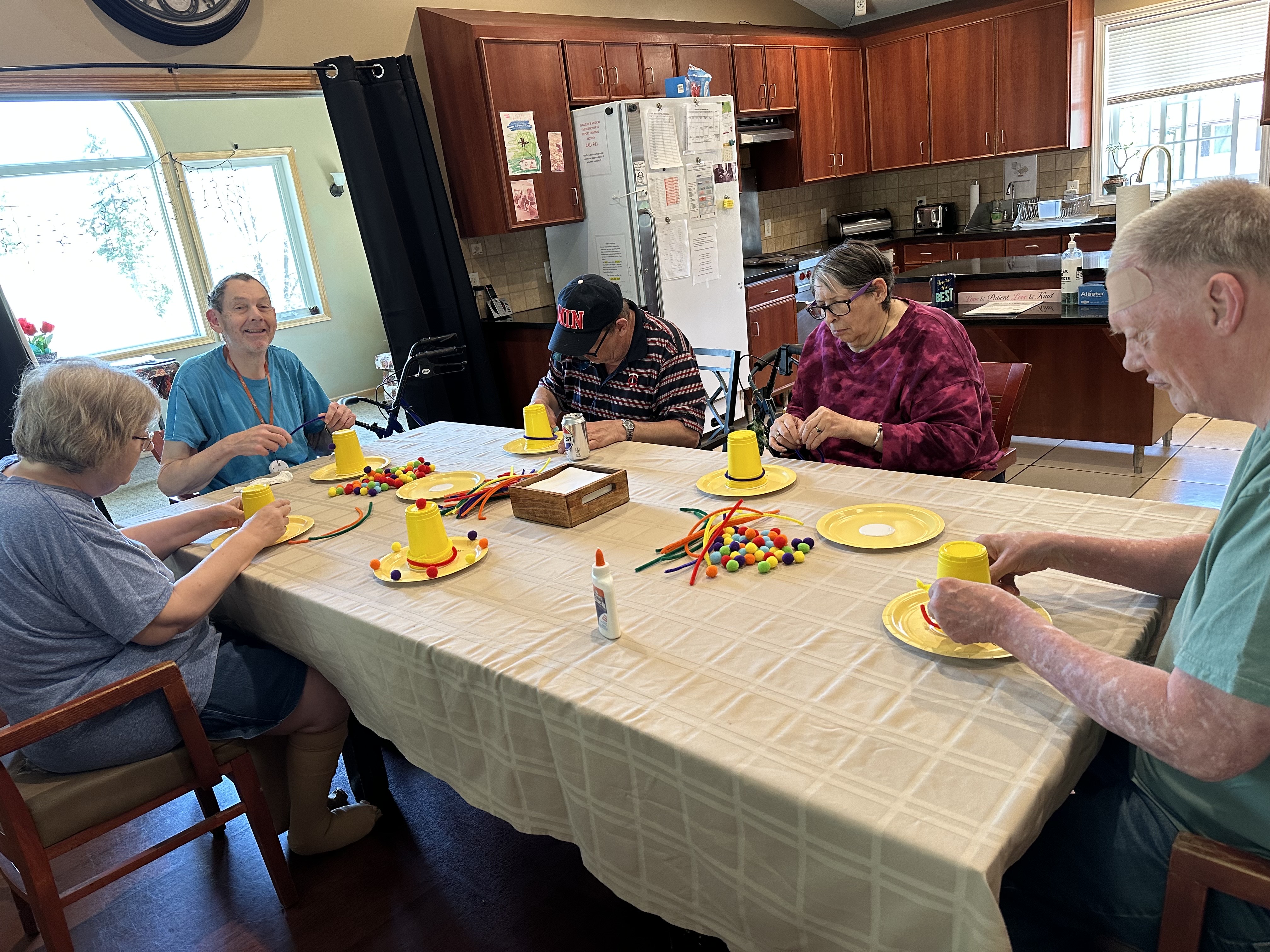
- Stay Connected — Maintain positive relationships with friends and family. Social activities, book clubs, and volunteer work can provide opportunities to build new friendships.
- Keep Moving — Exercise is vital for maintaining mood. Activities like walking, gardening, or even stretching can reduce stress and boost mood.
- Maintain Purpose — A sense of purpose and routine is helpful for staving off depression. Hobbies, caring for a pet, volunteering, and mentoring younger people all help.
- Eat Well, Sleep Well, Think Well! — A healthy diet, regular sleep, and activities that stimulate the brain are particularly important as we age.
- Ask For Help — Create an environment free of stigma so that people feel comfortable asking for help.
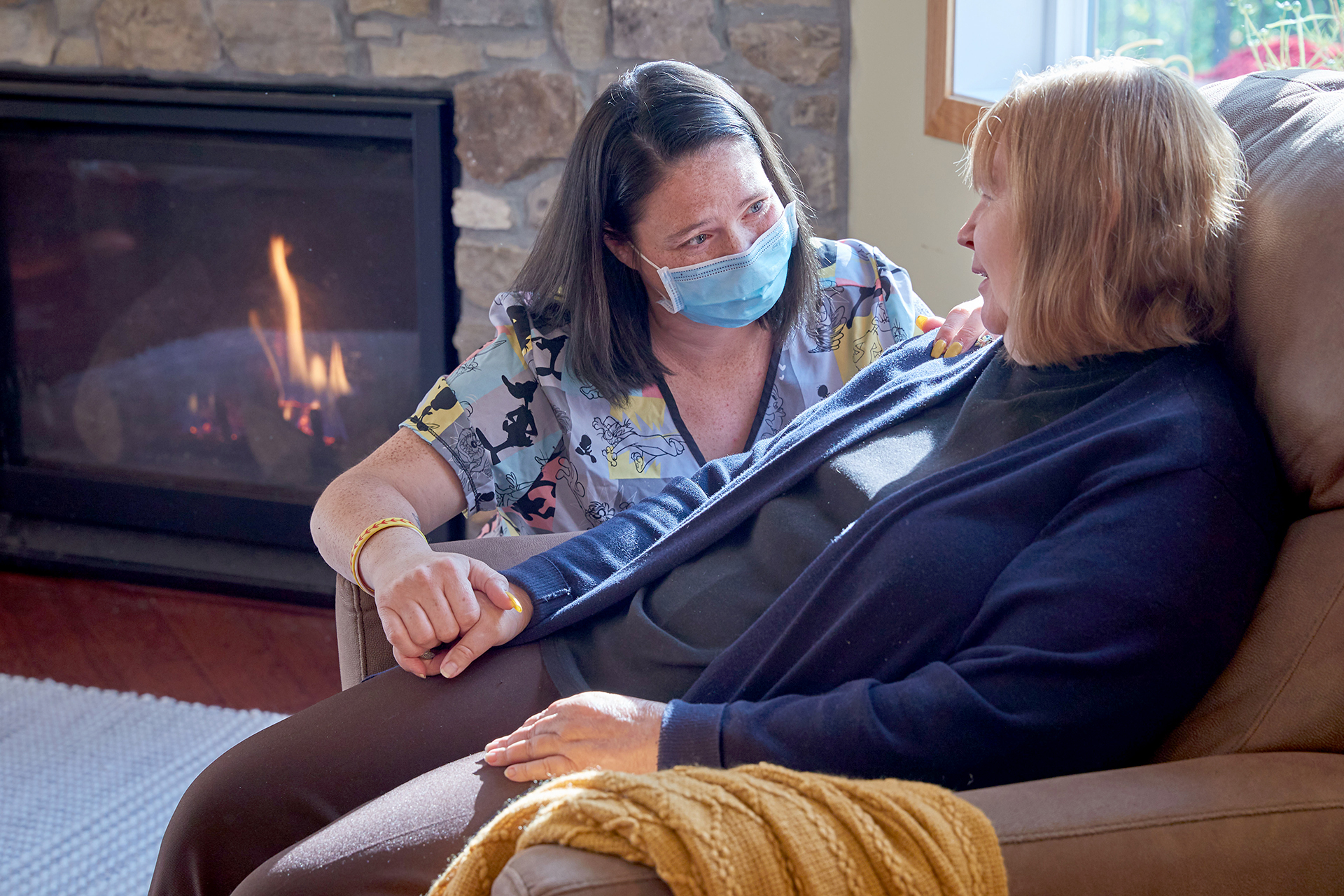
Anxiety and depression are not a natural part of aging. By fostering connection, encouraging movement, maintaining purpose, supporting overall health, and seeking professional help when needed, seniors can live the fulfilling lives they deserve. A good care home can support mental and emotional wellness through community, engagement, and personalized attention.
Latest Articles
Free Consultation
Contact us to learn more about how we support the mental and physical health of our residents.