

Why Assisted Living is “No Vacation”
Your loved one isn't going on vacation — they want to feel at home. Here are 8 reasons small residential care homes deliver that better than large facilities.

The first question we're often asked by families researching assisted living options is, "why would I choose a small residential care home if my mom or dad could stay at the [large, fancy care facility] down the road?" Most people assume it's the amenities that will make their loved one feel comfortable and happy after the transition.
When I get this question I'll often respond with a question of my own: "Have you ever taken an extravagant trip somewhere, where you had a huge range of choices for activities, luxurious accommodations, staff at your beck and call — and by the end of the trip you couldn't wait to get home?"
The truth is, your loved one isn't going on a vacation. They're not craving amenities. They want to feel at home.
Knowing this, we suggest you keep the following things in mind on your visits to both large facilities and small residential homes.
Here are 8 reasons we think small residential care home environments like ours are a good fit for most families:
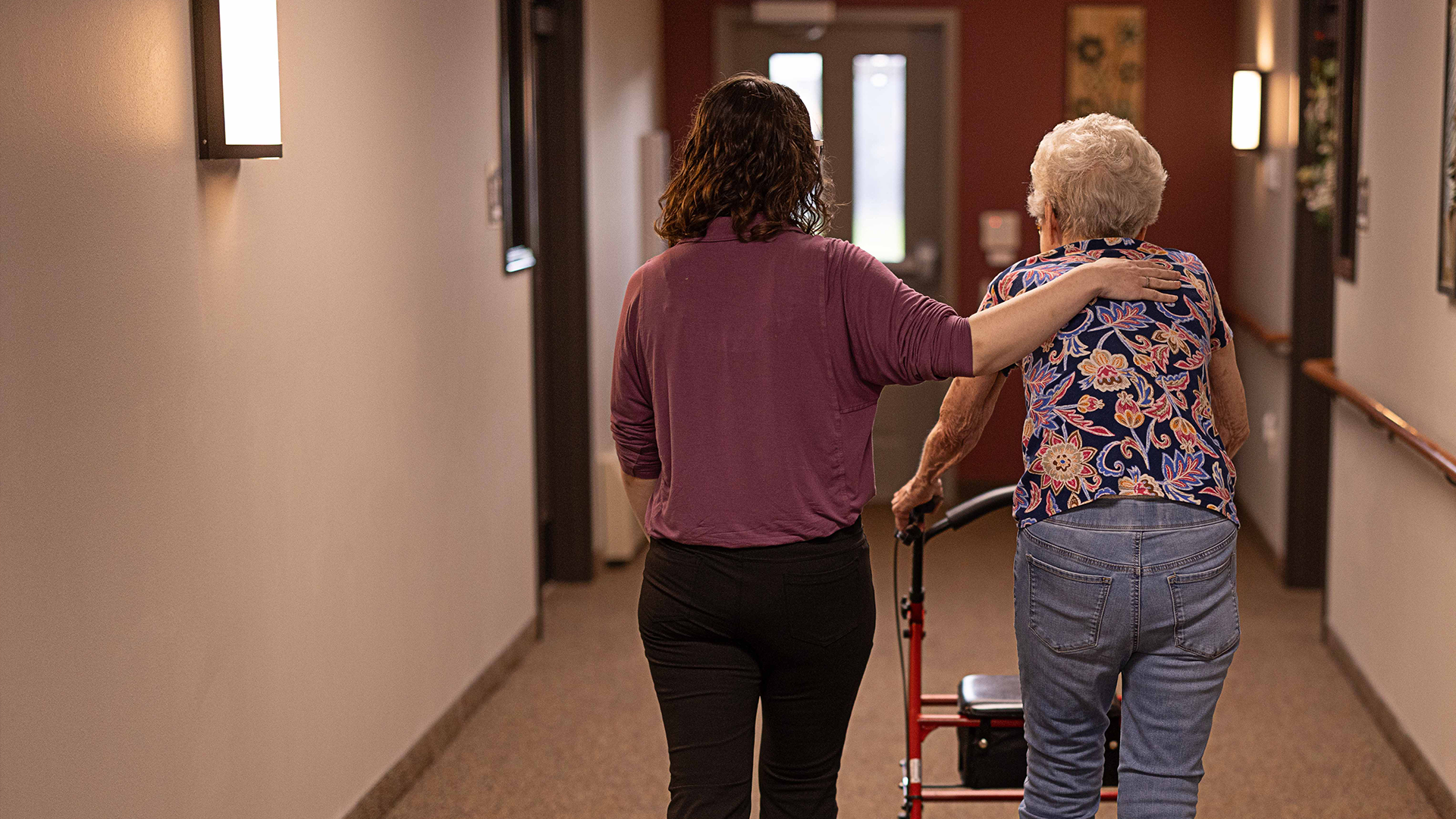
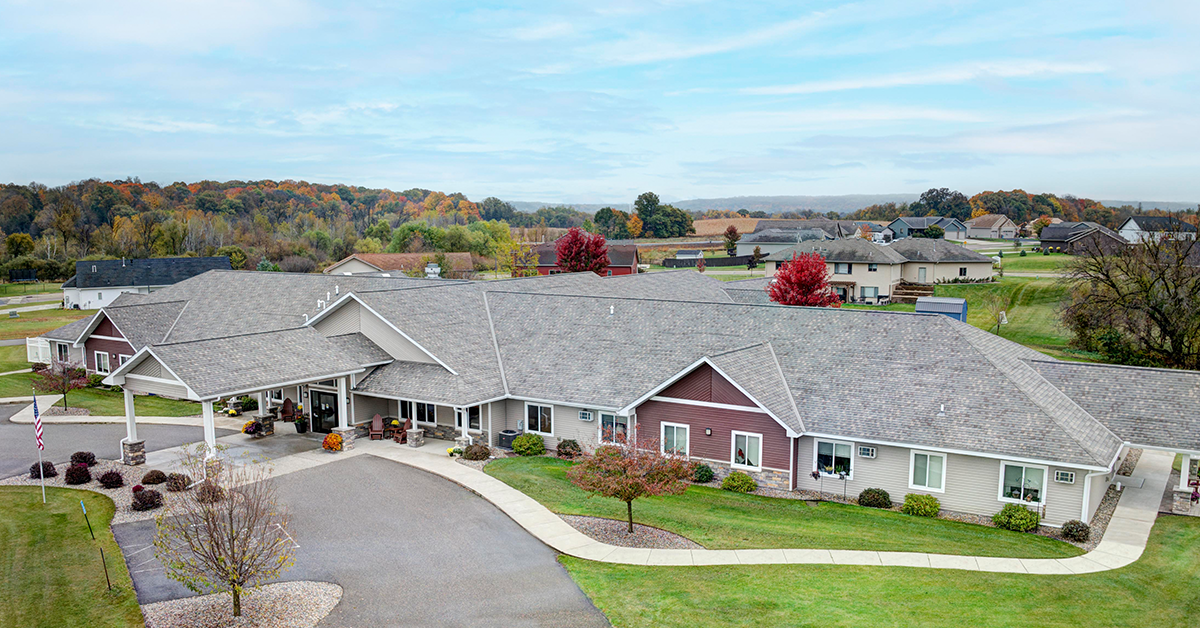
- Calm, Home-Like Environment: Smaller facilities are often located in quiet, residential neighborhoods — more like private homes rather than institutions. The comfort of a home-like environment can reduce anxiety and confusion, particularly for residents with memory loss.
- Lower Resident-to-Staff Ratios: Small homes generally have fewer residents per caregiver, typically around 6-8 residents per staff person compared to 20 to 1 or higher in large facilities. At LCH, we have some of the best ratios in the industry, around just 4 to 1. This allows us to provide more timely, responsive, and personalized care to our residents. Simply put, we're always nearby when our residents need us.
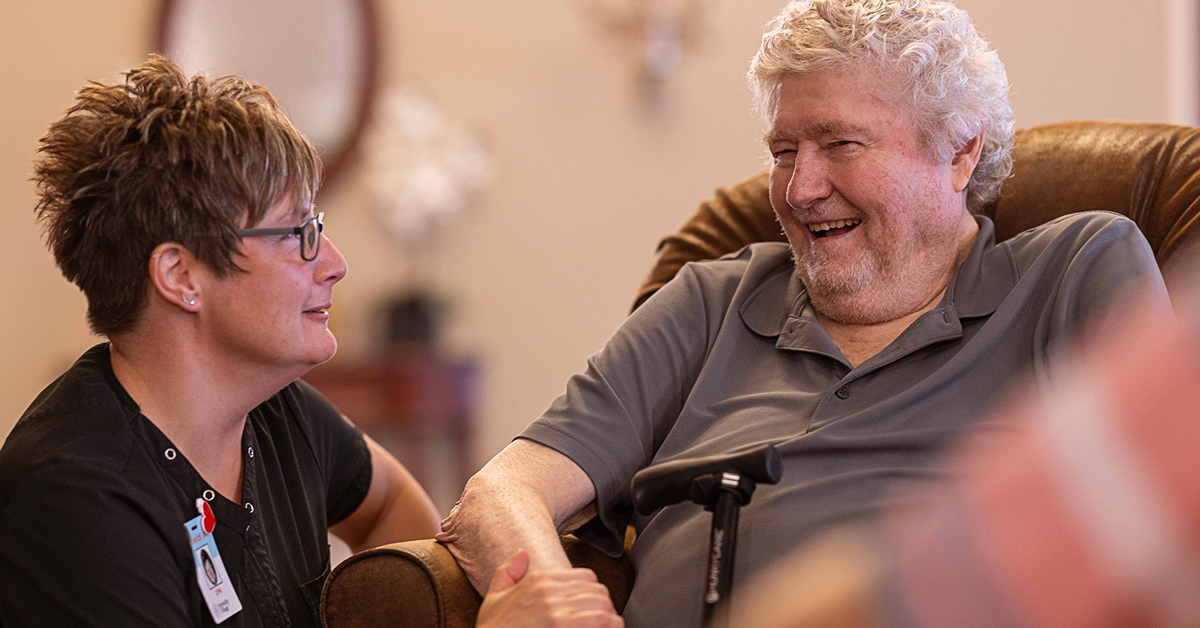
- Relationship-Based Care: Caregivers get to know your loved one's personality, preferences, and habits better at smaller facilities, which facilitates more individualized care as opposed to "one-size-fits-all" treatment. Our staff at LCH treat their residents like they're family, and get to know them as individuals.
- Greater Safety: According to the CDC, the fall risk is up to 50% lower in small residential homes due to fewer, easier-to-navigate hallways and closer supervision. Moreover, with fewer people in the same space, smaller homes like ours are often better at preventing the spread of viruses compared to large facilities with dozens or hundreds of residents and staff.
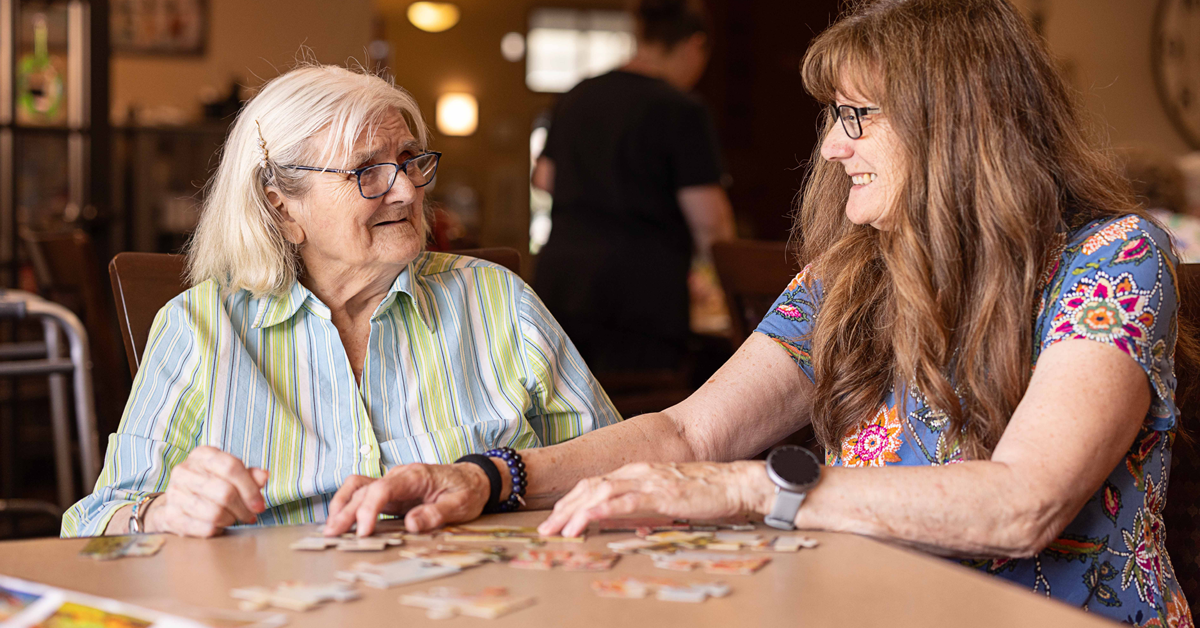
- Connection and Community: Smaller settings like ours foster closer relationships between the residents themselves, facilitating meaningful connections, reducing loneliness and fostering genuine friendships. Larger facilities can feel impersonal and more isolating.
- Consistency in Caregivers: Residents in smaller facilities often see the same caregivers regularly, building trust and rapport. Large facilities typically have much higher turnover rates. At LCH we're proud that most of our caregivers have been with us for many years.
- Smoother Transitions: Smaller home-like settings can make the transition from independent living much less daunting. New residents at LCH feel at-home quickly and make connections with their caregivers and fellow residents on day one.
- Family Involvement: Family members often feel more welcome and comfortable visiting the home-like environments of smaller facilities. At LCH, we encourage regular visits and love to get to know our residents' families. Our home is your home, too.
So remember these things when you walk into a large assisted living facility. We'll admit that they can be a good fit for some seniors making the transition from independent living. But if your loved one is like most, they're more likely to thrive in an environment that feels like home.
We encourage you to take a tour of one of our homes to see what makes LCH special. Contact us to schedule a visit.
Latest Articles

Come See What Home Really Feels Like
Skip the fancy lobby tour. Visit one of our residential homes and see the personal, family-style care that makes the real difference.