

How To Help Seniors Cultivate An Expansive Mindset
Aging doesn't have to mean contraction. Here's how a shift in mindset — and the right supportive environment — can turn it into a season of continued growth.

We live in a culture that valorizes youth. Our perceptions of physical beauty, vitality, and strength are rooted in it. Aging is often portrayed as a process of slow, inevitable contraction — declining mobility, dwindling activities, and shrinking social circles. No wonder we find it so remarkable when we encounter an older person who is happy, socially connected, enthusiastic about life, and engaged in activities they love. They seem like the exception to the rule.
How other cultures understand aging
Many cultures around the world see aging as a process of continual growth and development — an accumulation of wisdom, social authority, and cultural value rather than simply decline and social irrelevance. Many eastern cultures, for example, have a deep respect for elders. Older adults are viewed as moral guides and repositories of history and wisdom. In many indigenous cultures, including those across the Americas, councils of elders have the wisdom and power to make decisions for the community. And in many African societies, elders are dispute mediators and cultural arbiters.
The power of mindset
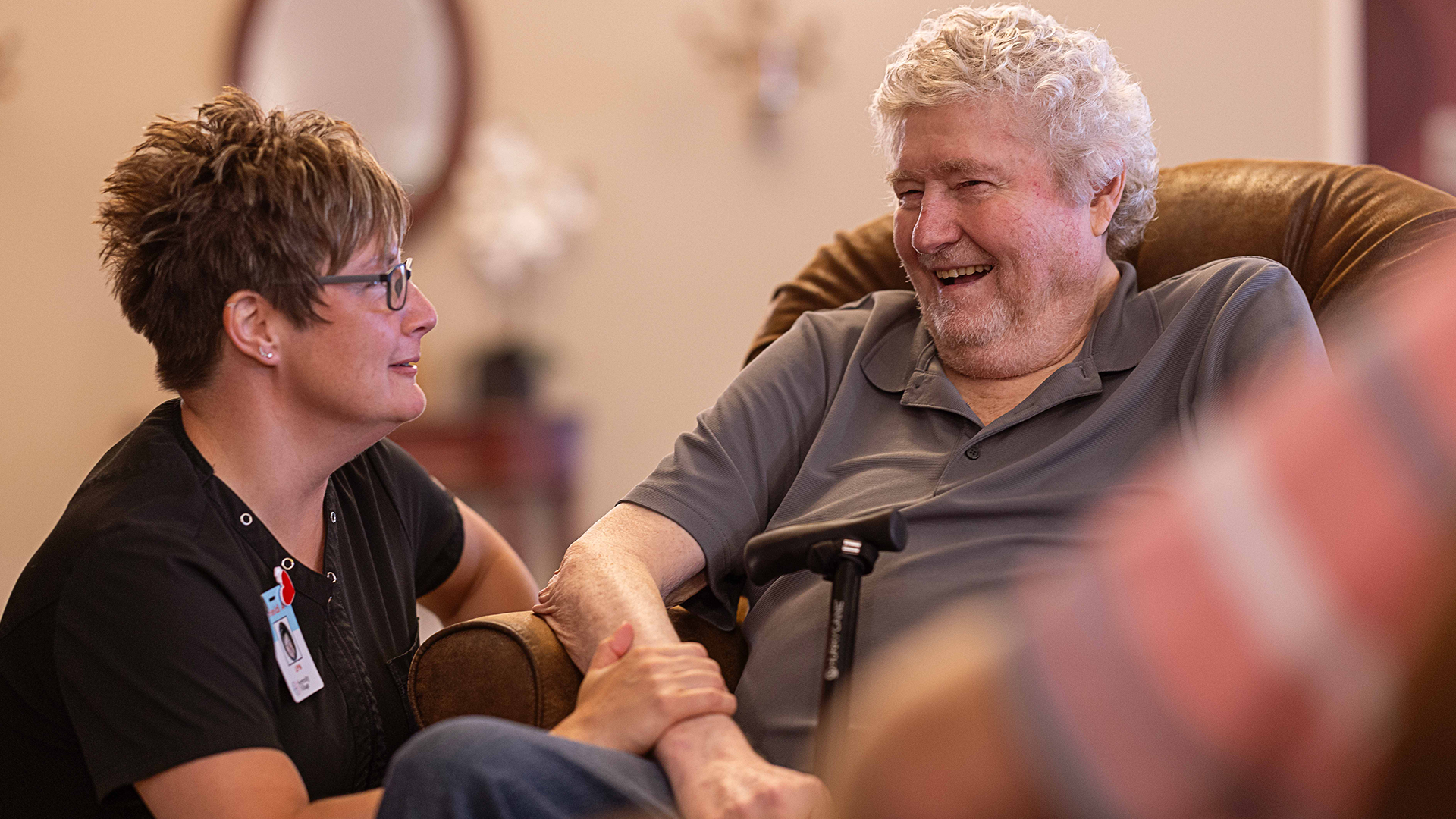
There's another way to think about aging: not as steady contraction, but as an opportunity for continued expansion — of purpose, of social connection, of curiosity. At Legacy Care Home we think it's particularly important to cultivate this shift in mindset as older people are making the transition from independent living to assisted living, because social isolation, depression, and physical stagnation are real risks for older adults that worsen health outcomes.
It's quite natural for us to mourn the loss of function we experience as we age. Even a world-class gymnast eventually loses the strength and balance to perform difficult routines. But rather than focus on what we can no longer do, we can actively focus on what we still can do — and make that a bigger part of our lives. Expanding and focusing on what brings us joy — rather than mourning what's been lost — moves the attention from deficit to possibility. It reframes care from merely managing decline to actively cultivating wellbeing.
How we cultivate an expansive mindset
At LCH, we develop individualized care plans that encourage meaningful engagement, prioritize relationships, and support our residents to try new things, make new connections, or reimagine old passions in accessible ways. It starts with purpose. Purpose doesn't have to be grand or even public. It might be tending a windowsill herb garden, mentoring a younger person, reading a book with a friend, or helping prepare meals. Purpose gives structure to the day and a reason to connect. For seniors who can no longer garden outside, container gardening or an indoor herb garden can replace what's been lost. For someone who loved teaching, volunteering as a reading tutor or a mentor can keep that identity alive.
Expanding social horizons
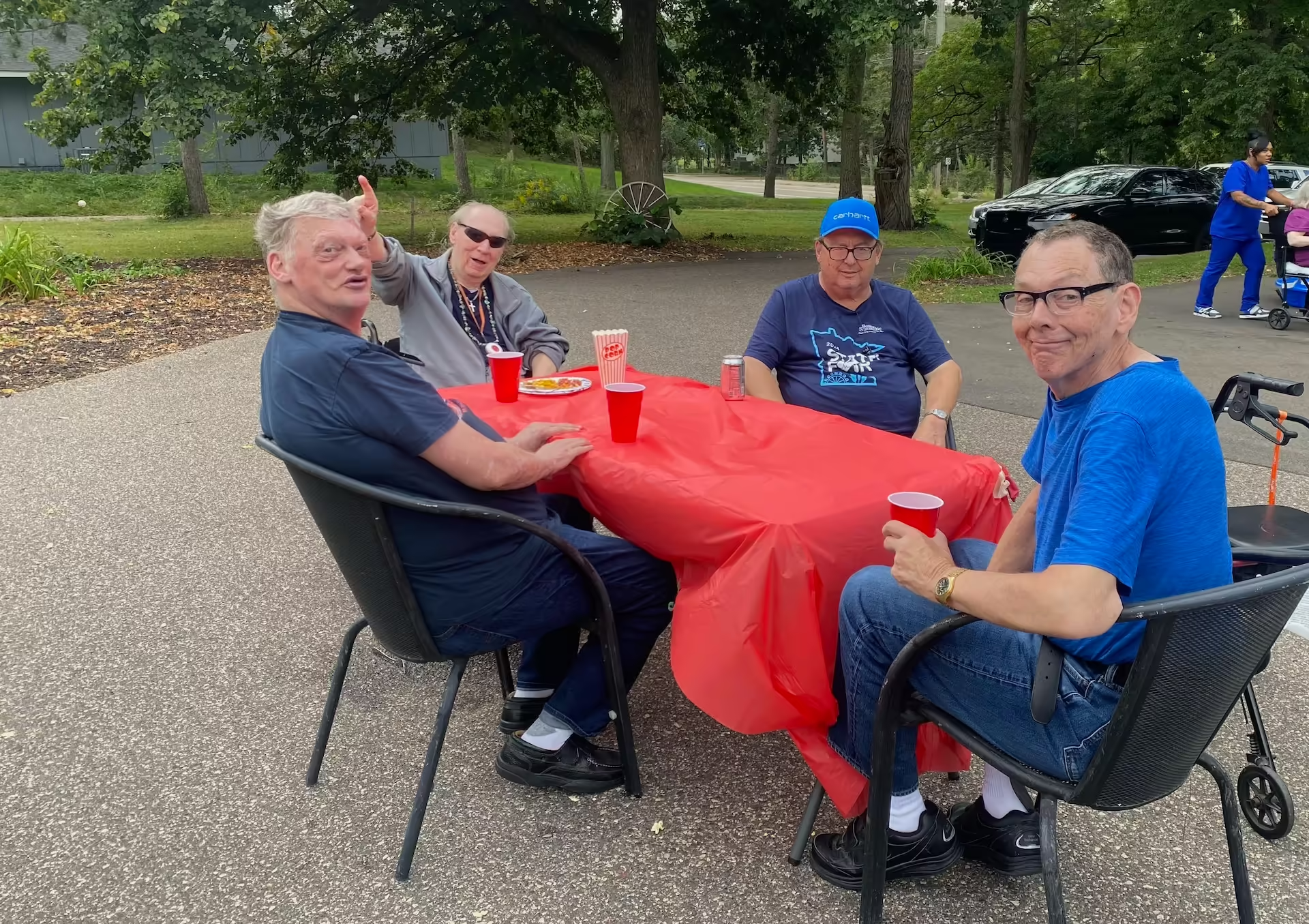
It's common for our social networks to shrink as we age. Friends move, encounter their own limitations, or pass away; our own health begins to limit our ability to meet outside of the home; and families juggle increasingly busy lives. Counteracting the forces of isolation takes active work: maintaining intergenerational connections doesn't happen by itself, and continuing to engage in hobbies and group activities requires coordination. At Legacy Care Home we create spaces and opportunities for our residents to connect over shared interests. Pleasant common rooms with comfortable seating, shared meal times, a regular game, craft, or activity — these foster the kind of casual conversations and camaraderie that build friendships and make fellow residents feel more like family. This kind of closeness is less common at larger, more impersonal facilities.
Cultivating curiosity
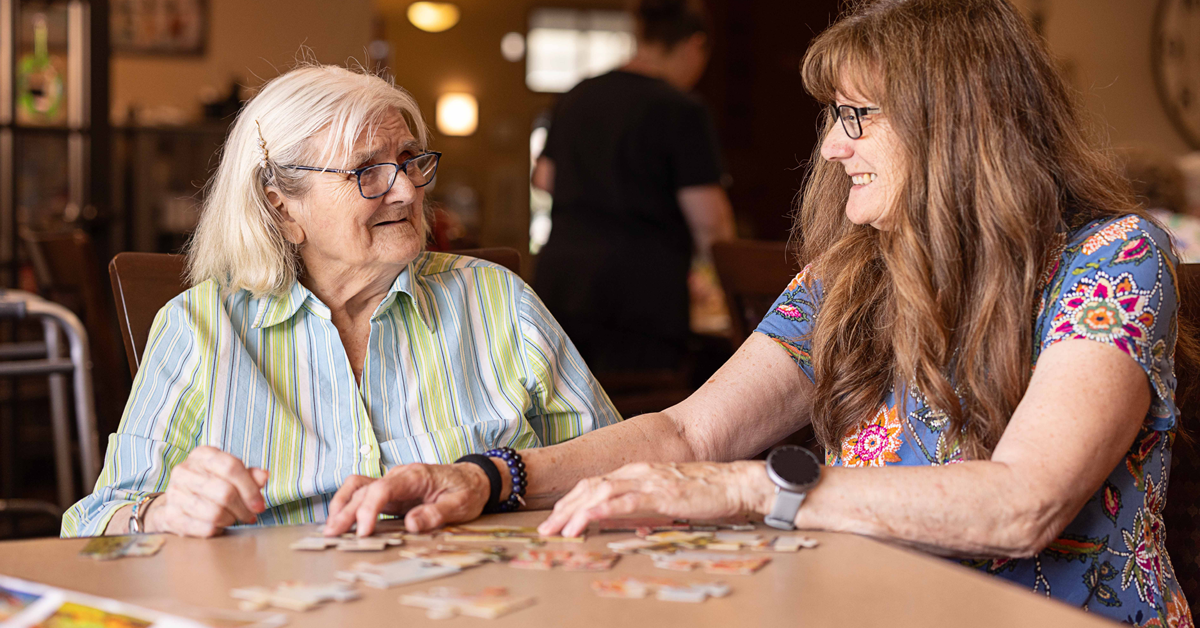
Curiosity and learning are powerful engines of expansion, too. Cognitive changes as we age are real, but an active brain can retain plasticity throughout life. Learning something new — whether through reading, using a language app, learning to play a simple instrument, or solving a puzzle — stimulates the mind and provides shared experiences to talk about. At LCH, we encourage residents to explore new creative outlets and to teach one another, which deepens both skill and community.
A body in motion
We all know that the impact of a sedentary lifestyle at any age of life is not good for our health, but the older we get, the more important it becomes to maintain movement if we don't want to lose function. Physical activity needn't involve intense strength or cardio training. It's about mobility, balance, and gentle movement. Activities like chair yoga, tai chi, or dance adapted for limited mobility can help maintain function and elevate mood. When exercise becomes a social pursuit rather than a medical obligation, it tends to be much more enjoyable.
Growing older inevitably brings both physical and cognitive changes. But with the right mindset and supportive environment, those changes don't have to result in a life of contraction. They can open new chapters of meaning, learning, and connection. That's the heart of living expansively: choosing to focus on what we can do that gives us purpose, connection, joy.
We encourage you to schedule a visit to one of our homes to see how our unique residential care home model can cultivate an expansive mindset for your loved one.
Latest Articles
Help Your Loved One Keep Growing
See how our individualized care plans create space for purpose, connection, and curiosity at every stage of life.